Hot Tub Upgrades: 5 Telltale Signs It’s Time for a Change
January 25th 2026 by
Hot tub upgrades: 5 signs it’s time for a change become clear when energy bills rise, breakdowns become frequent and maintaining water quality starts to feel like hard work rather than routine maintenance.
At Black Diamond Spas, a trusted UK hot tub specialist, we regularly help homeowners and holiday let owners assess whether their existing hot tub still fits their comfort zone, budget, and lifestyle.
A typical hot tub lifespan in the UK is 10–15 years. Over the life of the insulation, it degrades, components wear out, and energy consumption increases. Old hot tubs consume more energy, while modern, energy-efficient models are designed to save money, protect health, and make every relaxing soak safer and more enjoyable in the long run.
Who Is This Guide For and What Problem Are We Solving?
This guide is for UK homeowners and holiday‑let owners who already own a hot tub and are noticing early signs that it may be time to replace or significantly upgrade it. Most people start asking these questions after 7–10 years of frequent use, when energy costs feel too high and regular care becomes frustrating.
The core problem is simple: do you keep repairing the same system, or move to a modern spa that is easier to maintain and more energy efficient? Clear indicators often appear gradually, including:
Cloudy water that remains even after thorough cleaning and chemical balancing.
A damaged cover that feels heavy, sagging or waterlogged.
Noisy pumps or repeated error messages on the control panel.
Difficulty holding the desired temperature during winter cold or summer heat.
These telltale signs matter because old tubs not only cost more money to run, but they can also affect water quality, comfort and health over the long run.
How Long Does a Hot Tub Typically Last in the UK?
A hot tub typically lasts around 10–15 years in the UK, depending on build quality, usage frequency, installation location and regular maintenance. Budget inflatable spas may last only 2–5 years, while a well-built acrylic tub with sound insulation and regular care can last 15–20 years or more.
Key factors that affect lifespan include:
Build quality: Premium shells, frames and insulation last longer.
Usage frequency: Frequent use accelerates wear on jets, filter cartridges and the filtration system.
Installation location: Outdoor tubs face harsh weather, UV rays, debris and prolonged exposure to wind.
Regular care: Balanced water chemistry, spa-cleaning routines, and proper winter drain-and-fill cycles extend life.
Outdoor hot tubs must cope with winter freezes, summer heat, and heavy rain, which place constant stress on the cabinet, cover, and system.
Why Do Older Hot Tubs Become Inefficient and Expensive to Run?
Poor insulation increases hot tub running costs because heat escapes more quickly, forcing the heater to work harder to maintain the water temperature. Over time, insulation panels, cabinets and covers degrade.
Common problems include:
A spa cover with a waterlogged foam core that allows heat loss.
Gaps around the cover that let warm air escape and cold air enter.
Cabinet or base damage that exposes pipework to winter cold and debris.
Older pumps and heaters consume high amounts of energy.
As a result, energy bills rise, especially during cold UK winters. Modern hot tubs improve energy efficiency through better insulation, sealed cabinets and intelligent systems that allow you to adjust settings precisely. This supports environmental sustainability while saving money over the tub’s lifetime.
1. Rising Energy Bills and Heat Loss
One of the clearest indicators is rising energy costs. If your tub struggles to hold heat or runs constantly to reach the desired temperature, energy efficiency has likely dropped. Old hot tubs consume more energy, while modern, energy-efficient tubs are designed to reduce heat loss and stabilise water temperature.
2. Frequent Breakdowns and Control Panel Errors
Frequent breakdowns indicate the need for a hot tub upgrade. Pumps, heaters, sensors and the control panel all have a finite life. Typical warning signs include:
Noisy or grinding pumps that cut out mid‑soak.
Heater errors and fluctuating water temperature.
Control panel error codes that return after resets.
Small leaks around jets or pipework.
Hot tub upgrades reduce maintenance costs by replacing ageing components with a reliable system covered by modern warranties.
3. Ongoing Water Quality and Hygiene Issues
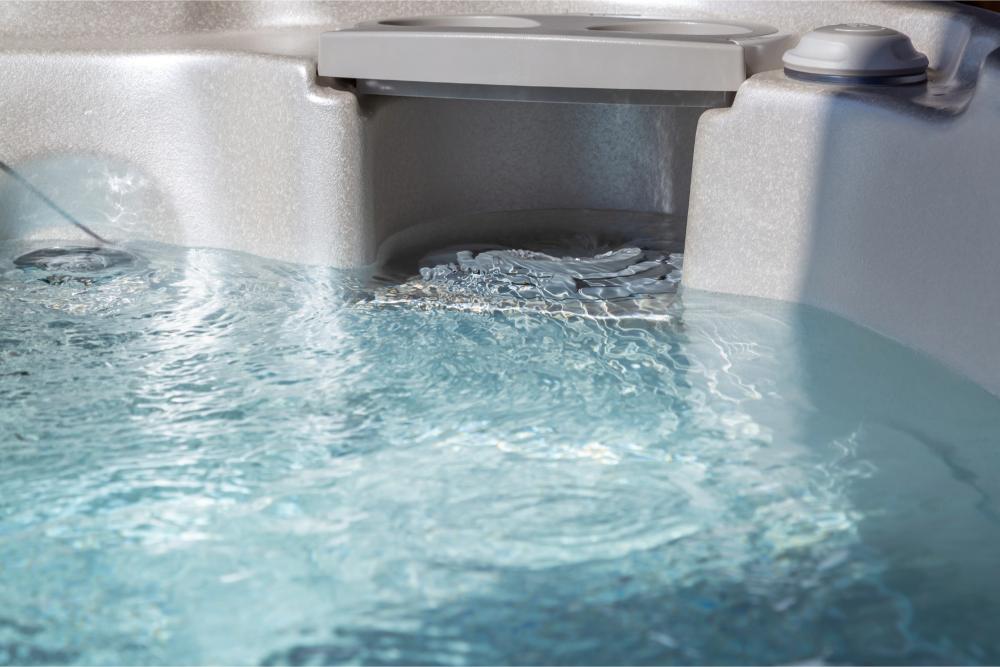
Ageing hot tubs often struggle to maintain water quality. Older pipework and filtration systems are more prone to biofilm, algae growth and harmful bacteria, even with regular maintenance.
Warning signs include:
Cloudy water that does not clear.
Strong odours or visible debris.
Skin irritation after soaking.
Scale or slime around jets.
New hot tub models include advanced filtration systems that improve circulation and help keep water clean. Smart hot tubs enable automated water management, making it easier to maintain clear water with regular water changes, proper chemical levels, and filter care. BISHTA provides hot tub safety guidance highlighting the importance of filtration, disinfection and adequate operation to protect health.
4. Reduced Comfort and Outdated Features
Comfort expectations have changed across the market today. Older tubs may have awkward seating, weak jets and loud pumps that interrupt relaxation.
Common comfort issues include:
Limited ergonomic seating options.
Poor jet placement and weak massage zones.
Basic lighting and worn headrests.
Slippery steps without non-slip surfaces.
Upgrading hot tubs enhances user comfort with better seat design, adjustable jets, quieter systems and lighting that creates an authentic spa experience.
5. Outdated Safety and Control Systems
Modern safety features are essential, particularly for families and holiday lets. Older systems may lack updated electrical protection, precise diagnostics or reliable temperature control.
Modern hot tubs offer:
More transparent control panels and easier troubleshooting.
More intelligent systems that protect water quality and health.
Halfway through the upgrade journey, many customers speak to Black Diamond Spas to compare their ageing tub with modern replacements and understand how newer systems reduce risk while improving ease of use.
Is It Better to Keep Repairing or Replace Your Hot Tub?
It is usually better to replace your hot tub once repairs, energy bills and frustration outweigh the enjoyment you get from each soak. Ask yourself:
How often are you fixing issues promptly?
How high are your energy bills compared with similar homes?
How hard is it to maintain clear, clean water?
Do you still enjoy using the spa?
When multiple telltale signs appear together, replacement is often the more intelligent long-term decision.
Benefits of Modern Hot Tub Upgrades
Upgrading delivers real benefits:
Lower energy consumption and reduced energy costs.
Easier routine maintenance and spa clean routines.
Advanced filtration systems that protect water quality.
Better comfort, quieter pumps and a more relaxing soak.
Modern hot tubs improve energy efficiency, reduce maintenance costs and provide a safer, cleaner experience over the life of the spa.
Final Thoughts: What Should You Do Next?
If your hot tub shows these five telltale signs, now is the time to assess your options. List recent repairs, review energy bills and note any ongoing water quality or comfort issues.
For expert, honest advice and a wide range of modern, energy-efficient spas, speak to Black Diamond Spas. Our experienced team can help you choose a replacement that suits your usage, budget and garden space.
Call Black Diamond Spas today on 01246 261807 to discuss your hot tub upgrade and take the first step towards lower running costs, easier maintenance and a better spa experience.
Jake Keller
I'm Jake Keller, a seasoned Sales Director with 7 years of experience in the industry. I'm proud to have
played a pivotal role in developing our bestselling Monaco 2 Lounger hot tub and orchestrating our move to a
larger unit in 2018 due to rapid growth.
I oversee all sales and manufacturing operations, drawing on my extensive knowledge of hot tubs'
technical aspects, particularly in electrical components.
With a BSc in Sports Science, I bring a unique perspective to the industry. I'm committed to expanding my presence
in the digital space.
 +44 (0)1246 261807